
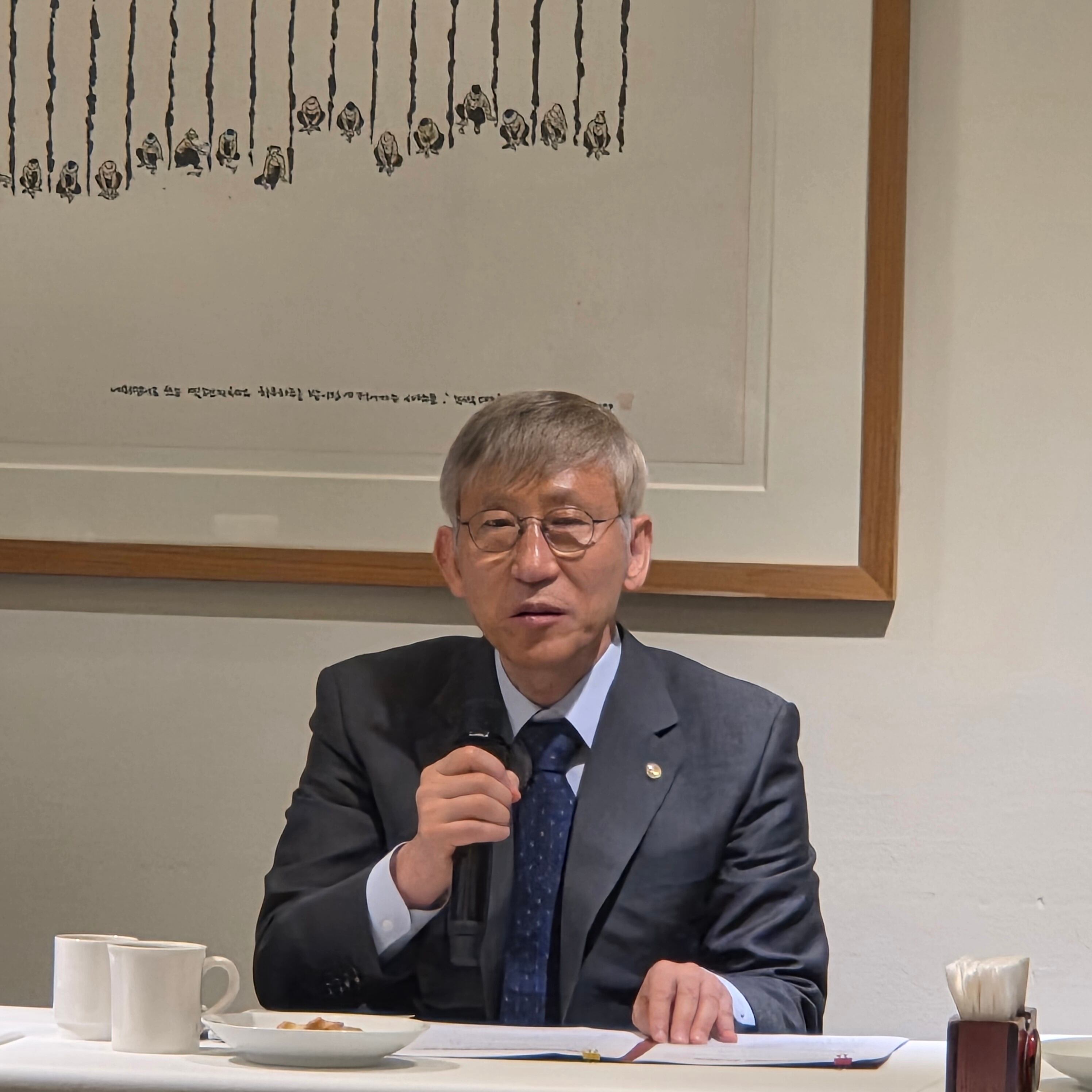
Chang Suk-bok, the newly appointed head of the Institute for Basic Science (IBS), has introduced a plan to establish more than 10 research groups headed by scientists in their 30s and 40s over the next five years. He intends to serve as a "Chief Talent Officer," actively seeking top-tier researchers and fostering the potential for groundbreaking work that could lead to Nobel Prize recognition.
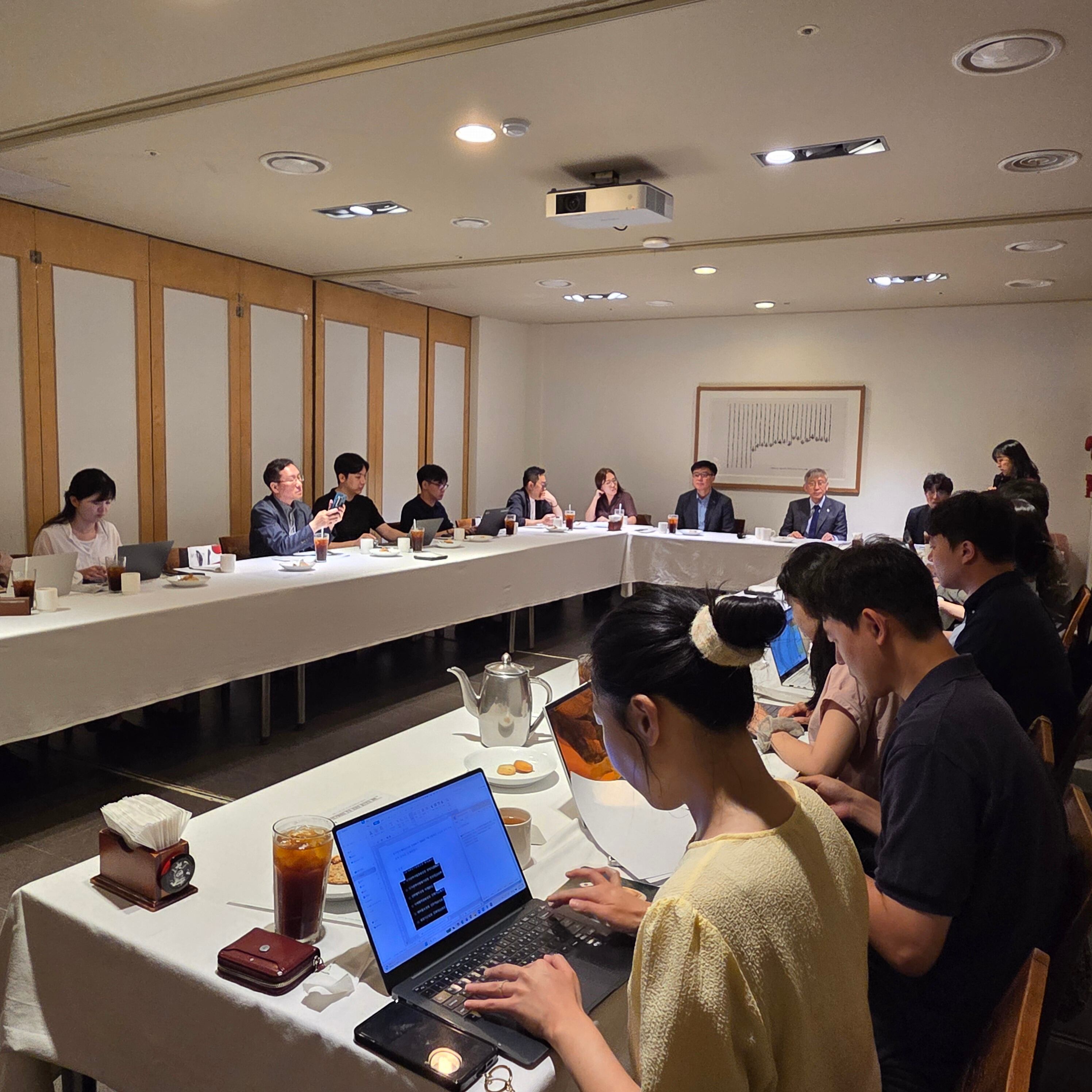
At an opening press conference held in Jung-gu, Seoul, on the 2nd, Director Chang said, "Within five years, we plan to establish more than 10 innovative research groups headed by scientists in their 30s and 40s. We aim to speed up the selection of junior researchers for leadership roles in these teams, enabling them to take bold initiative during their peak periods of creativity."
He stated, "If a researcher who has recently sown the initial ideas demonstrates strong promise to develop into a prominent figure through peer assessment, we will confidently assign them as head of a research group. Creating a setting where scientists can independently pursue their studies for more than ten years is the director's primary responsibility."
Referring to the case of Germany's Max Planck Institute, he stated, "Nobel Prize winners usually start conducting independent research in their late 30s and take charge of research units in their early 40s. The IBS aims to progressively adjust the schedule for appointing research unit heads, allowing innovative work to occur at a younger age."
Founded in 2011, IBS serves as a top-tier national fundamental scientific research organization inspired by Germany's Max Planck Society. Its mission is to achieve groundbreaking basic science accomplishments comparable to those recognized by the Nobel Prize, ensuring sustained financial support and independence for exceptional scientists. Today, it manages two research institutions and 31 research centers, operating on an annual budget of roughly 300 billion South Korean won.
Renowned researcher Director Chang specializes in organic chemistry catalytic processes, having been recognized as a Highly Cited Researcher (HCR) for eight straight years. Earlier, he led the Molecular Activation Catalytic Reaction Research Unit at IBS. This marks the initial instance where an IBS employee has taken on the role of director.
He said, "I was able to take on the role of director due to my drive and perspective to reshape the focus of fundamental science as a head of a research unit. I possess a deep commitment to transforming the document-based assessment framework and practices beginning with IBS."
He also intends to revamp the research assessment framework. Director Chang stated, "Being published in top-tier journals is just one result. More significant is research that establishes new academic frontiers and explores uncharted disciplines." He further mentioned, "Although articles in Cell, Nature, and Science hold importance, we should move past these and generate genuinely 'innovative' studies." This reflects a change from assessments centered solely on paper quantity and citation metrics.
IBS intends to grow its AI-driven studies by obtaining more high-performance graphics processing units (GPUs). Director Chang stated, "Artificial intelligence isn’t meant to substitute researchers but serves as a powerful instrument that greatly improves research productivity and innovation. We aim to pioneer the application of AI in fundamental scientific exploration."
Speaking about the possibility of winning the Nobel Prize, he stated, "The Nobel Prize isn't something we aim for directly; rather, it comes as an outcome. I think there are multiple potential contenders at IBS. As Nobel acknowledgment usually requires time, kindly remain patient and keep a close eye on developments."