
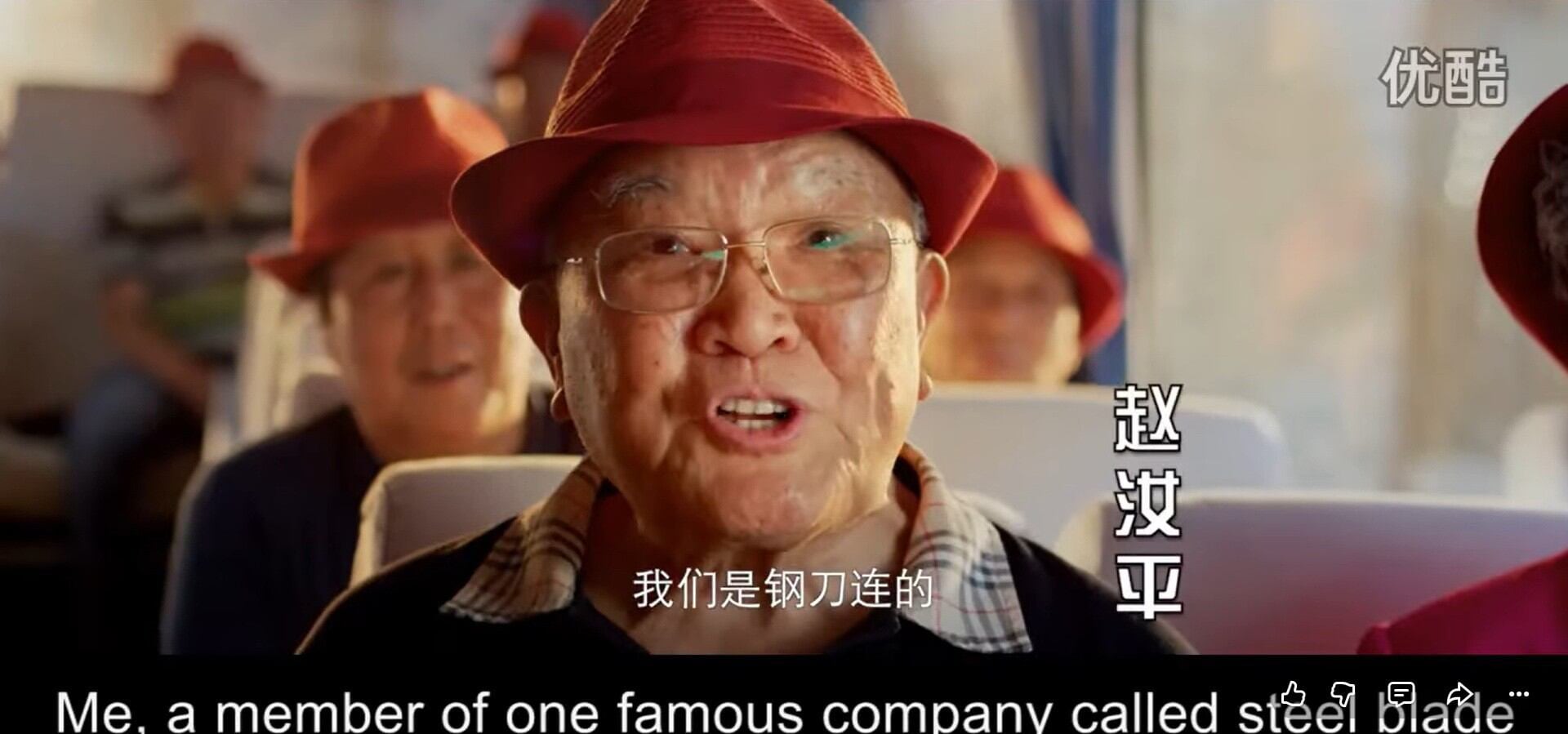
A two-minute-long video posted on YouTube in 2016 caused some debate primarily in 'China'. It starts with a scene featuring a young South Korean female tour guide wearing a hanbok, greeting a group of older Chinese visitors as they board a bus in Seoul. Nevertheless, these senior travelers begin laughing and say surprising things.
This isn't our initial trip,
We arrived here more than 60 years back.
Before the confused tour leader, they laugh and retell their supposed brave stories.
At that time, there were no computers. We didn't require passports either.
"At that point, we arrived at Hanseong (Seoul), waving red flags as we drove armored vehicles" (this section was subsequently removed).
Before the now-puzzled South Korean tour leader, they present a film, stating, "You will grasp all details by viewing this movie."
This is an advertising clip for the film titled "Resisting American Aggression and Assisting Korea" (*My War*), featuring 24 senior actors who previously participated in numerous Chinese political movies.
(Notice: A YouTube video link is included beneath, however audiences are warned to exercise caution since it might lead to issues like heartburn, stomach discomfort, lightheadedness, vomiting, or potentially harm monitors and screens.)
Criticism of the video emerged in China. Wang Sanbao (曆史老師王三寶), a middle school teacher and history blogger on Weibo, criticized, “Was it necessary to drag Korea into such a patriotic production?”
"According to Chinese supporting forces, it was seen as the 'liberation' of Seoul, yet for Koreans, it remains just an event where foreign soldiers 'occupied' their land," he stated.
He also presented the following comparison:
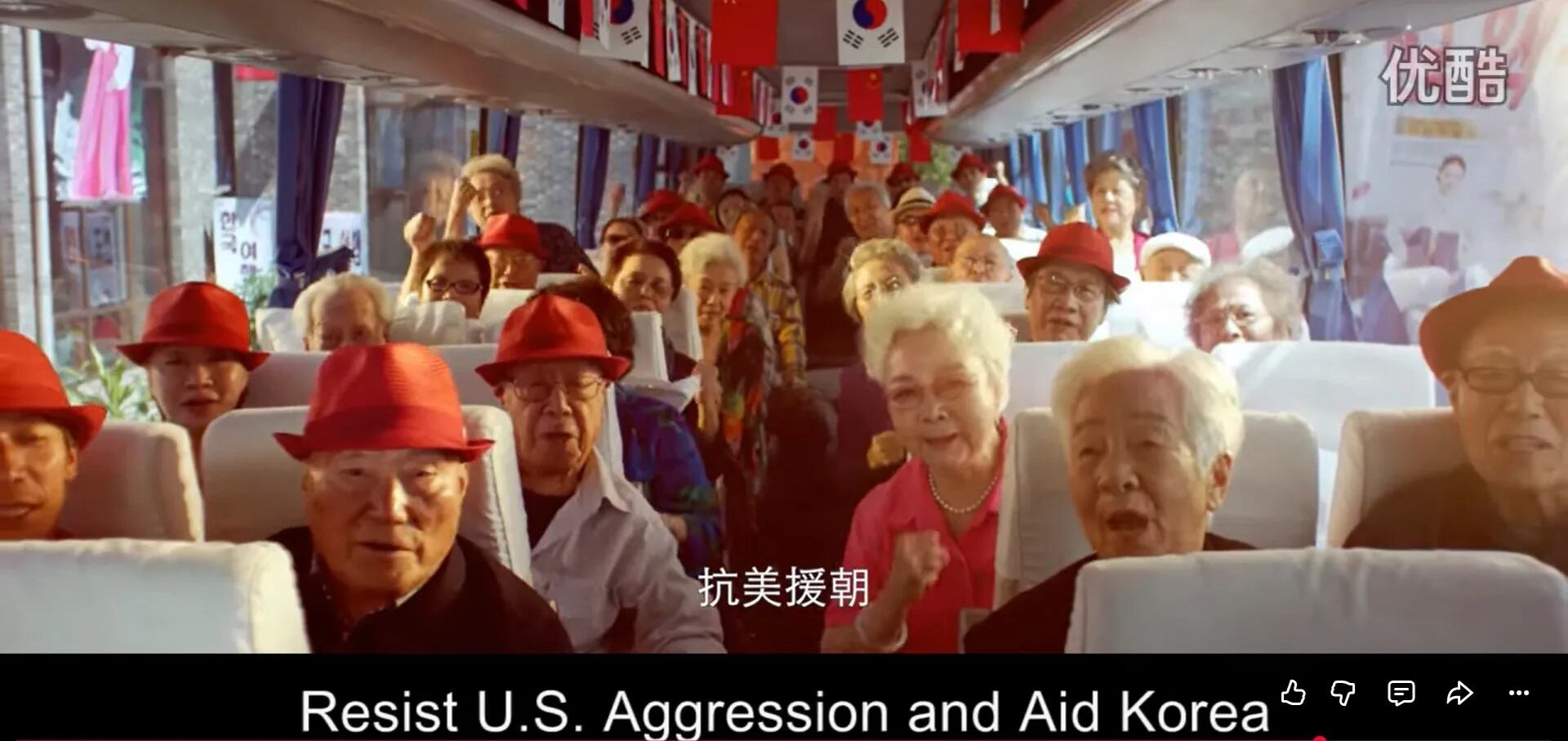
In the contentious footage, these senior citizens lift their hands and collectively yell the subsequent chant:
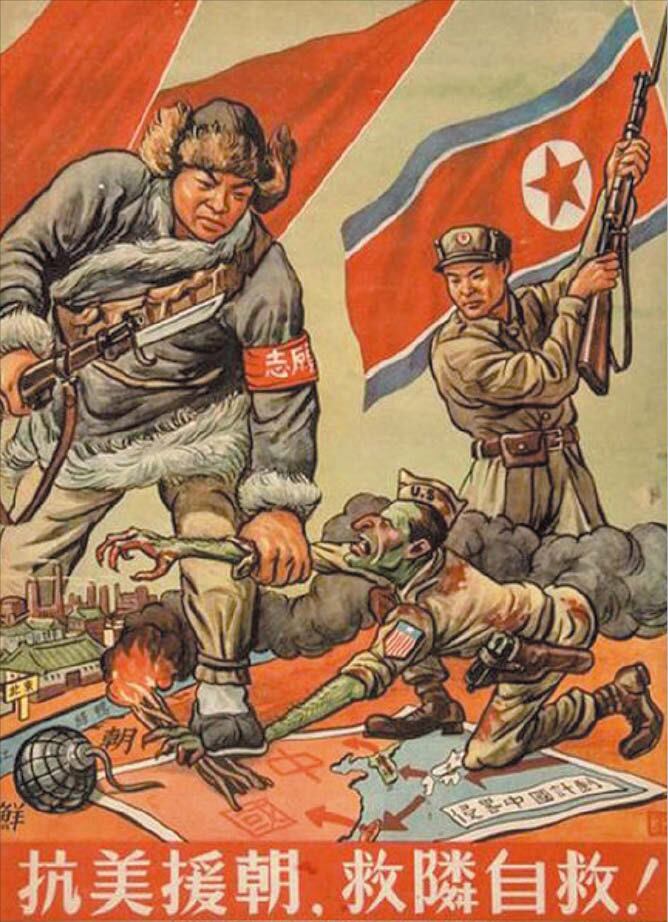
“Resistance against America and Aid to Korea (抗美援朝)! Protecting Our Homes and Country (保家衛國)!”
This means “Resisting America to aid Korea (North Korea) and protecting our homes and country.”
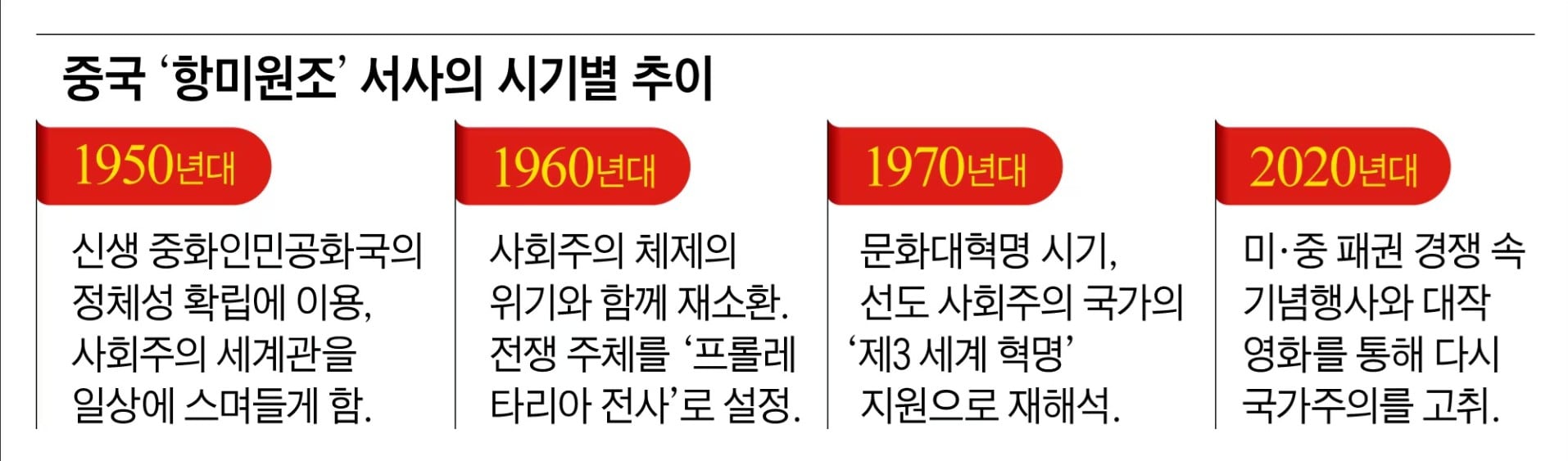
As stated by Professor Han Dam, aged 43 from Mokpo National University, in his recently released book titled *Remembered War, Constructed China: The Cultural Politics of the Resistance against America and Aid to Korea*, the newly formed People's Republic of China used the "Resisting American Aggression and Assisting Korea" conflict as a means to bring people together within the country. Following its establishment in October 1949, the Chinese communist regime became involved in the Korean War only a year later, with this action being viewed as a battle waged against the 'imperialistic' United States.
The initial three major conflicts that shaped modern China include the 'War of Resistance Against Japanese Aggression,' the 'Liberation War (Chinese Civil War),' and the 'Anti-American Assistance to Korea Campaign.' It has been claimed that following more than a century since the 1840 Opium War, during which China faced invasion from foreign powers, it ultimately succeeded in defeating the most powerful imperialist country.
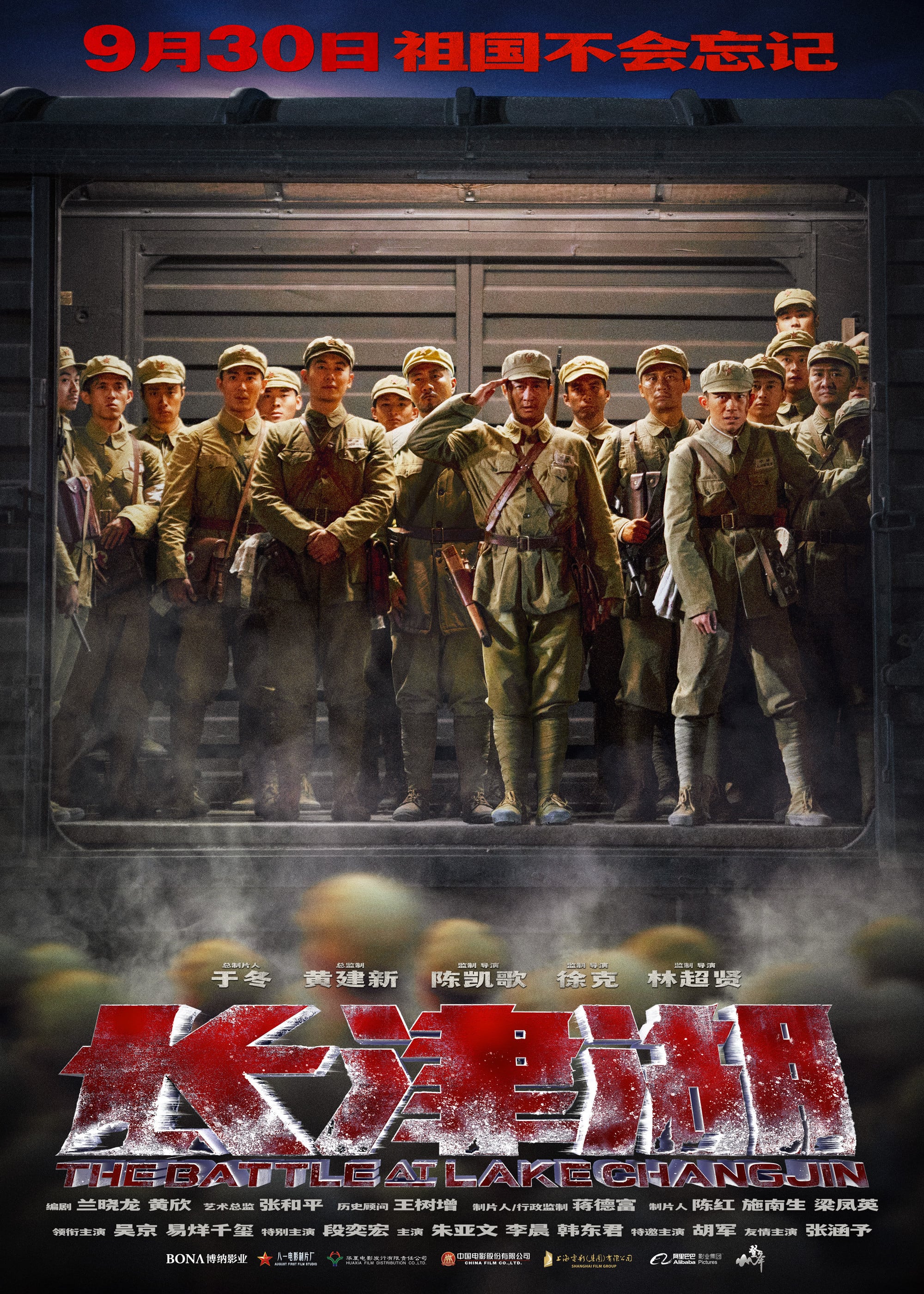
The story of "Resisting American Forces and Assisting Korea" was disseminated via literary works, movies, and theatrical performances, shaping national identity and embedding the socialist perspective and social hierarchy into people's everyday existence.
During the 1960s, amid challenges to the socialist framework caused by tensions between China and the Soviet Union along with internal political unrest in China, the slogan "Resisting American Aggression and Assisting Korea" was revived and emerged as an emblem of unity with AALA (Asia, Africa, and Latin America). As the Cultural Revolution commenced, this phrase was reshaped into the "advanced force of the global socialist movement."
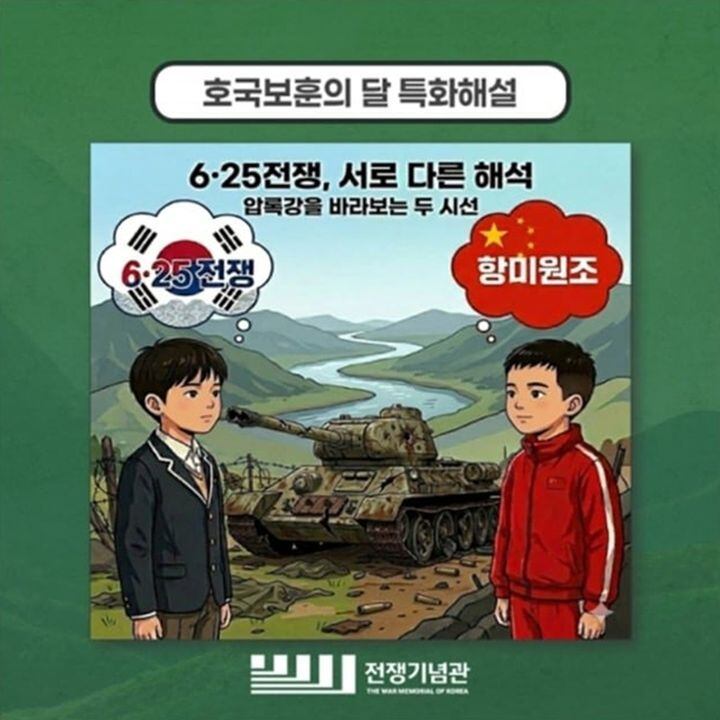
Nevertheless, throughout this period, the 'subject of resistance against American aggression and support for Korea,' or the 'image of Chinese communist troops during the Korean War,' kept evolving irrespective of actual historical events. ① During the 1950s, the 'peasant' was established as the 'main figure of the Chinese revolution,' ② in the 1960s, it shifted to the 'worker-soldier,' and ③ prior to the Cultural Revolution, with Mao Zedong focusing on nurturing successors, it changed into the 'socialist heir.'

No matter what the real historical facts were, America was criticized as a 'dangerous faction that conspired with former Japanese imperialism to reconquer China,' while South Korea was depicted simply as an 'American puppet.'
During the conflict, numerous Chinese individuals used the offensive label "Gaolibangzi" to refer to Koreans and were reluctant to back North Korea. In response, the Chinese authorities propagated the idea that "Gaolibangzi" were actually South Koreans, portrayed as American pawns aligned with the Kuomintang regime, thereby publicly fueling hostility toward Koreans.