
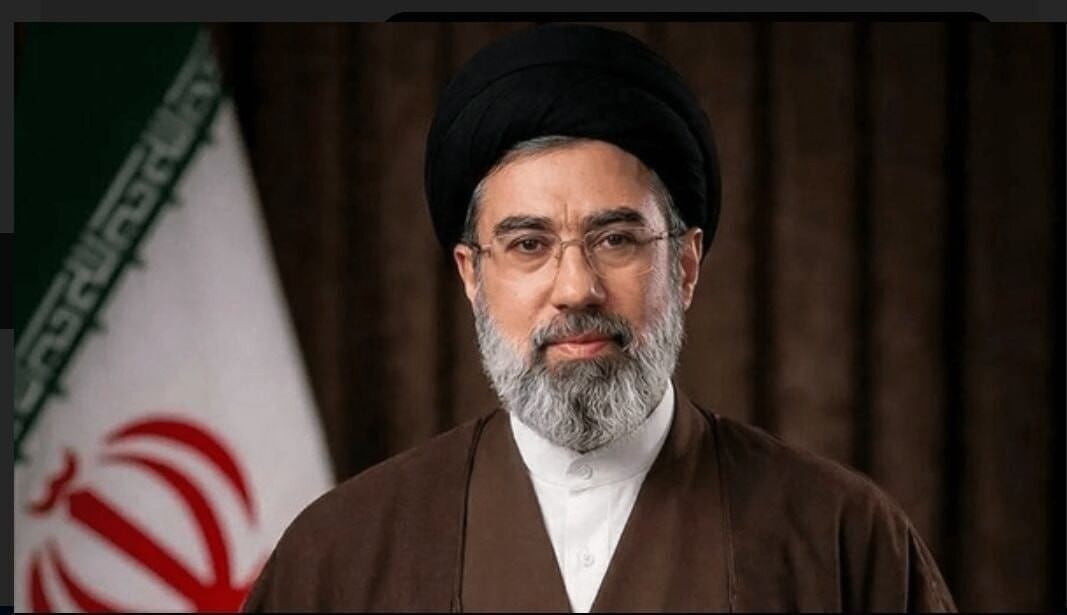
Iran stated that it has obtained permission from Supreme Leader Ayatollah Mojtaba Khamenei concerning a preliminary peace accord Memorandum of Understanding (MOU) signed with the United States. This represents the initial instance where Iran has openly confirmed that the Supreme Leader has approved the deal.
As reported by international outlets such as The New York Times (NYT), Iranian Foreign Minister Abbas Araghchi announced during a broadcasted address on the 12th, according to local time, that the deal with the United States has reached its last phase and received approval from Iran's highest authorities, including the Supreme Leader and the Supreme National Security Council. The minister mentioned that the memorandum of understanding would resolve tensions across various areas, like Lebanon, and that Iran and the U.S. will release an official declaration acknowledging one another's independence and political systems for the first time in nearly five decades.
Minister Araghchi added that under the ceasefire deal, Israel must pull back from Lebanese land and stop strikes against Lebanon. He highlighted, "Should all sides meet their obligations, talks toward long-term peace could move forward."
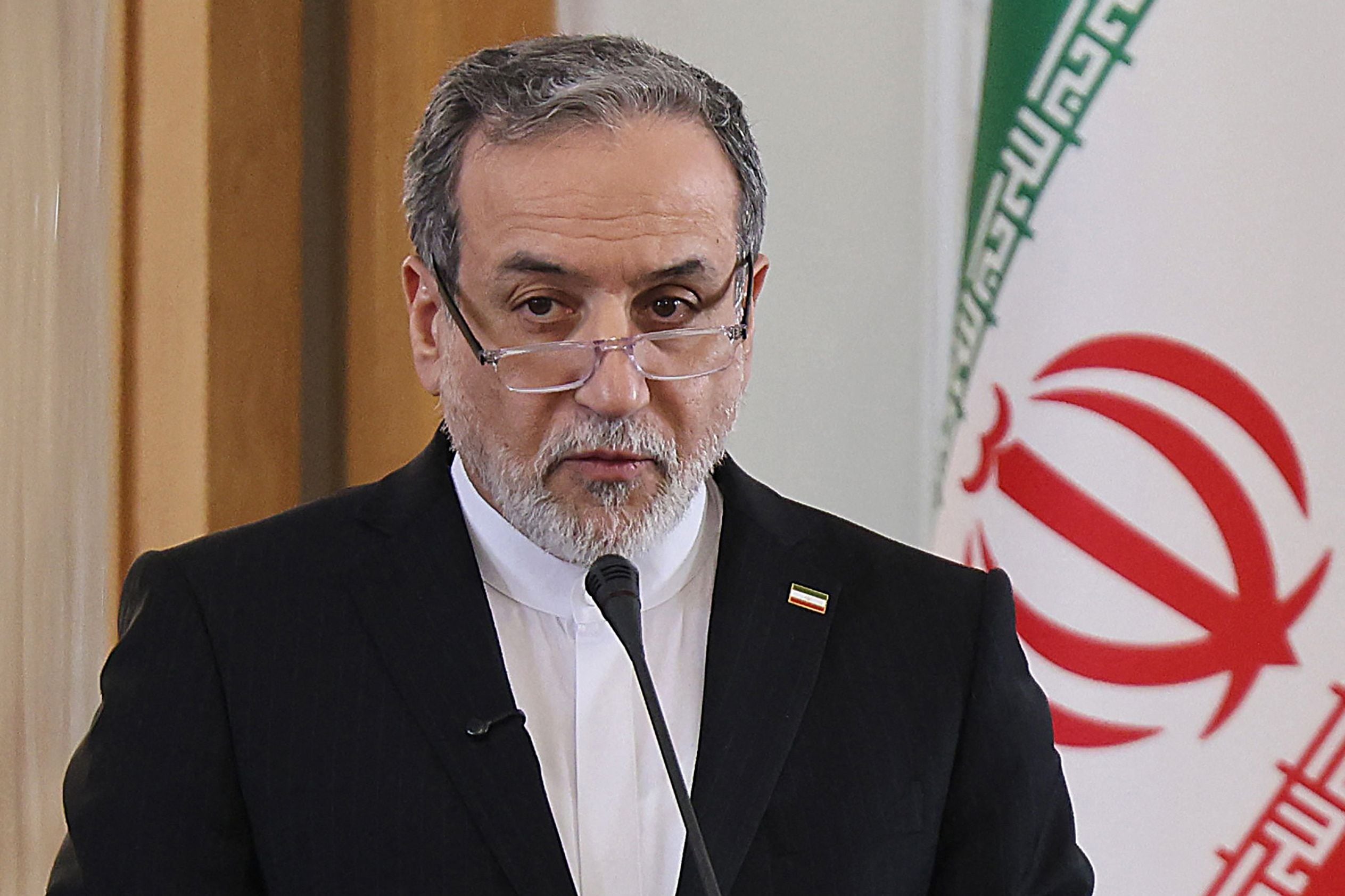
The deal regarding ending hostilities will include two components: the execution of a Memorandum of Understanding between the two nations and a long-term peace accord, he noted. Minister Araghchi remarked, "The nuclear matter will be tackled during the next phase of discussions and the ultimate pact," further stating, "The topic of removing sanctions will also be covered in the subsequent session." He additionally pointed out that the signing of the cease-fire memorandum will take place via remote means instead of in-person interactions. He continued, "This agreement is more imminent than ever before. It might come into effect in the near future. I have strong optimism about this."
Nevertheless, concerning the resumption of access to the Strait of Hormuz, Araghchi offered points of view that slightly differ from those of the United States. Although he mentioned that the temporary agreement with the US would involve the opening of the Strait of Hormuz and an end to hostilities in multiple regions, Minister Araghchi stated, "The administration of the Strait of Hormuz won’t revert to its condition before the war." He clarified, "Iran and Oman hold sovereignty over the strait, and Iran will guarantee secure ship navigation through it," noting that a 'fee for service' will apply to future transit through the strait. He stressed, "Our weapon will remain poised above the Strait of Hormuz." This is seen as Iran's aim to retain authority over this crucial maritime route, responsible for one fifth of global seaborne energy shipments, and leverage it as a tool of influence against the US during periods of tension.
With this in mind, Minister Araghchi stated that Iran intends to shortly release a joint declaration with Oman, the nearby nation situated across the Strait of Hormuz, concerning the management of the waterway. Previously, Iran had asserted its strategy to fully block the Strait of Hormuz since the start of hostilities and charge fees for vessels traveling through the region, a position strongly opposed by the United States.
Furthermore, he stated that the sole method of handling the enriched uranium Iran holds is through dilution inside the nation, signaling resistance to the U.S. requirement for its shipment out. He accused Israel of trying to disrupt the upcoming deal with the U.S., which is nearing completion. Minister Araghchi sharply condemned, "Honestly, there are opponents to this agreement, and the Zionist regime (Israel), leading the charge, is looking for excuses to sabotage it." He further maintained that Iran has emerged victorious over the U.S. in this confrontation and believes the struggle has fortified the country.