
US and Iranian air attacks restarted during the weekend, with both sides asserting they had targeted military installations close to the Strait of Hormuz.
The U.S. Central Command (Centcom) stated that it carried out "defensive attacks on Iranian radar and communication centers for unmanned aerial vehicles in Ghorak, Iran, and Qeshm Island over the weekend."
In the meantime, Iran's Islamic Revolutionary Guard Corps (IRGC) stated that it struck an airfield utilized by American troops as punishment, although it did not specify the location.
Previously, U.S. media outlets stated that President Donald Trump asked for "revisions" to the most recent conditions of a plan that might result in a peace agreement, with no indication of progress being made.
The United States stated that its attacks on Saturday and Sunday were a reaction to "hostile Iranian activities, which involved the downing of a U.S. MQ-1 drone flying above international waters."
On a social media platform, Centcom stated that U.S. fighter jets targeted Iran's military air defense systems, a ground command center, and two unmanned aerial vehicles which it claimed presented an immediate danger to vessels passing through the area. The armed forces mentioned that no U.S. personnel sustained injuries during the strikes.
The Islamic Revolutionary Guard Corps claimed it attacked the airfield that the United States had utilized to conduct operations against its communication tower located on Sirri Island in the Gulf, approximately 40 miles (65 km) off Iran's southern coast.
The Iranian armed forces stated that their reaction would be "entirely distinct" should U.S. hostilities occur again, as per statements from the Islamic Revolutionary Guard Corps published by Iran's quasi-governmental Fars news outlet.
The Kuwaiti armed forces stated they were "dealing with aggressive missile and drone assaults" through their aerial defense mechanisms, although they didn't indicate the locations of these engagements.
Iran struck an airbase in Kuwait this past week as retaliation for previous U.S. airstrikes, claiming they aimed to stop Iranian vessels and missile attacks from placing mines near the shipping route.
Although a truce became effective on April 8, Donald Trump has frequently indicated that the U.S. and Iran were nearing a lasting agreement and that discussions were advancing, yet no official arrangement has been finalized as of now.
The most recent version of the agreement involved a 60-day pause in hostilities, an appeal to restore access through the Strait of Hormuz, and a structure for resuming discussions regarding Iran's nuclear initiative, as reported by CBS News, the U.S.-based affiliate of Ants.
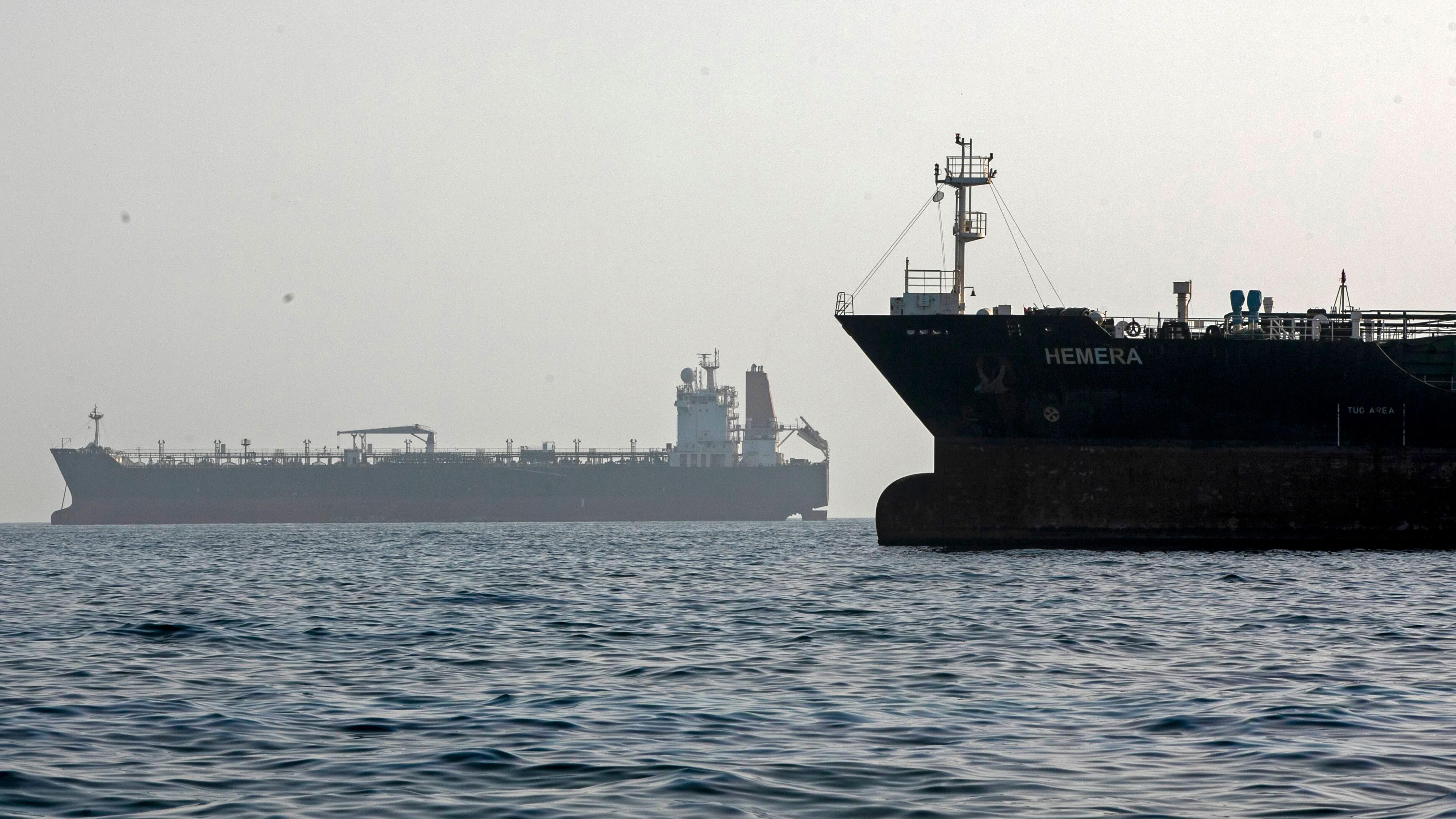
Around 20% of worldwide oil and liquid natural gas (LNG) transports typically go via the Gulf shipping route, while the effective trade ban is causing an increase in fuel costs globally.
On Sunday, Trump requested modifications to an ongoing agreement which Iran rejected as "rumors."