
On Wednesday, Iran targeted U.S. facilities in Jordan and Bahrain, cautioning its Gulf allies that they bore a "duty" to prevent America and Israel from launching attacks against the Islamic Republic from their soil.
The protests occurred following U.S. airstrikes against Iran as retaliation for the shooting down of an American helicopter, putting pressure on a truce that began in April.
The incident sparked global appeals for calm as the World Cup approached, an event where the US is sharing hosting duties and Iran is taking part.
It has similarly raised questions about U.S. President Donald Trump's assertion that discussions for a lasting resolution to the Middle East conflict were nearing their "last stages."
READ ALSO: Trump Promises Action Following Iran's Downing of U.S. Helicopter
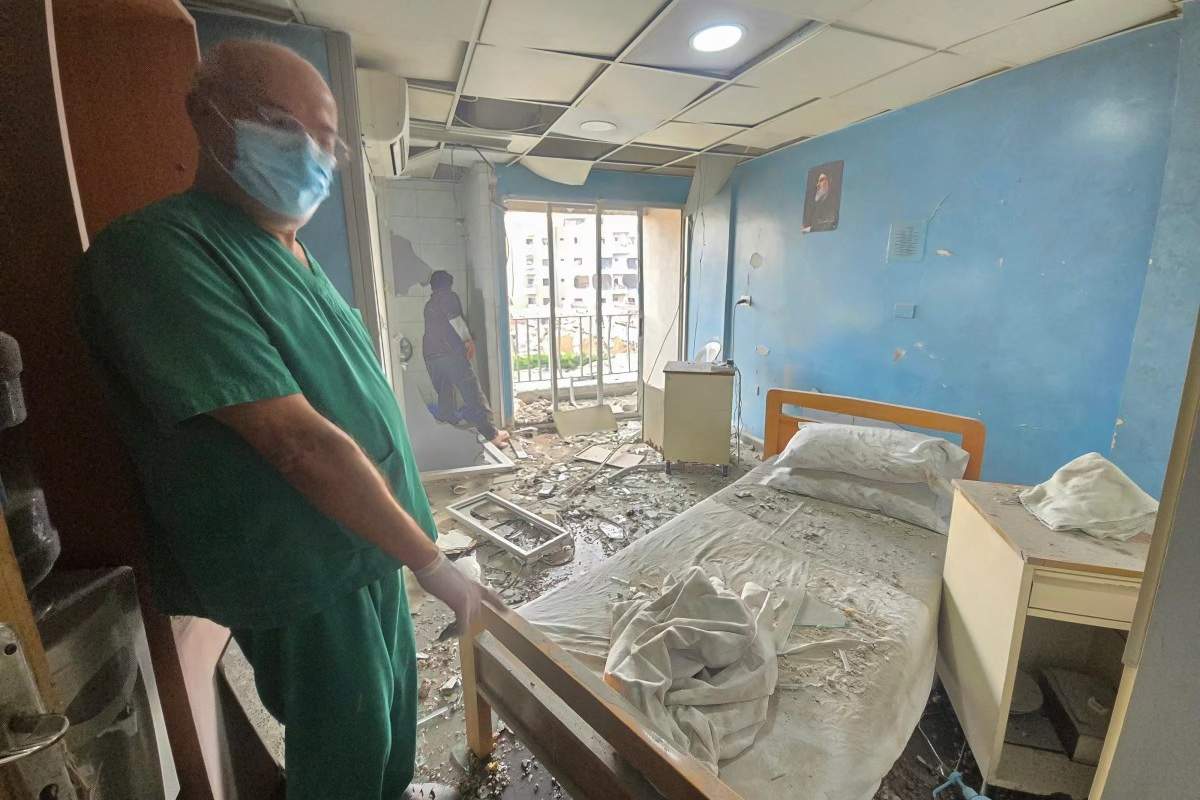
The dispute, starting with U.S.-Israeli attacks on Iran, caused turmoil in the area and unsettled financial markets as the fragile ceasefire took effect.
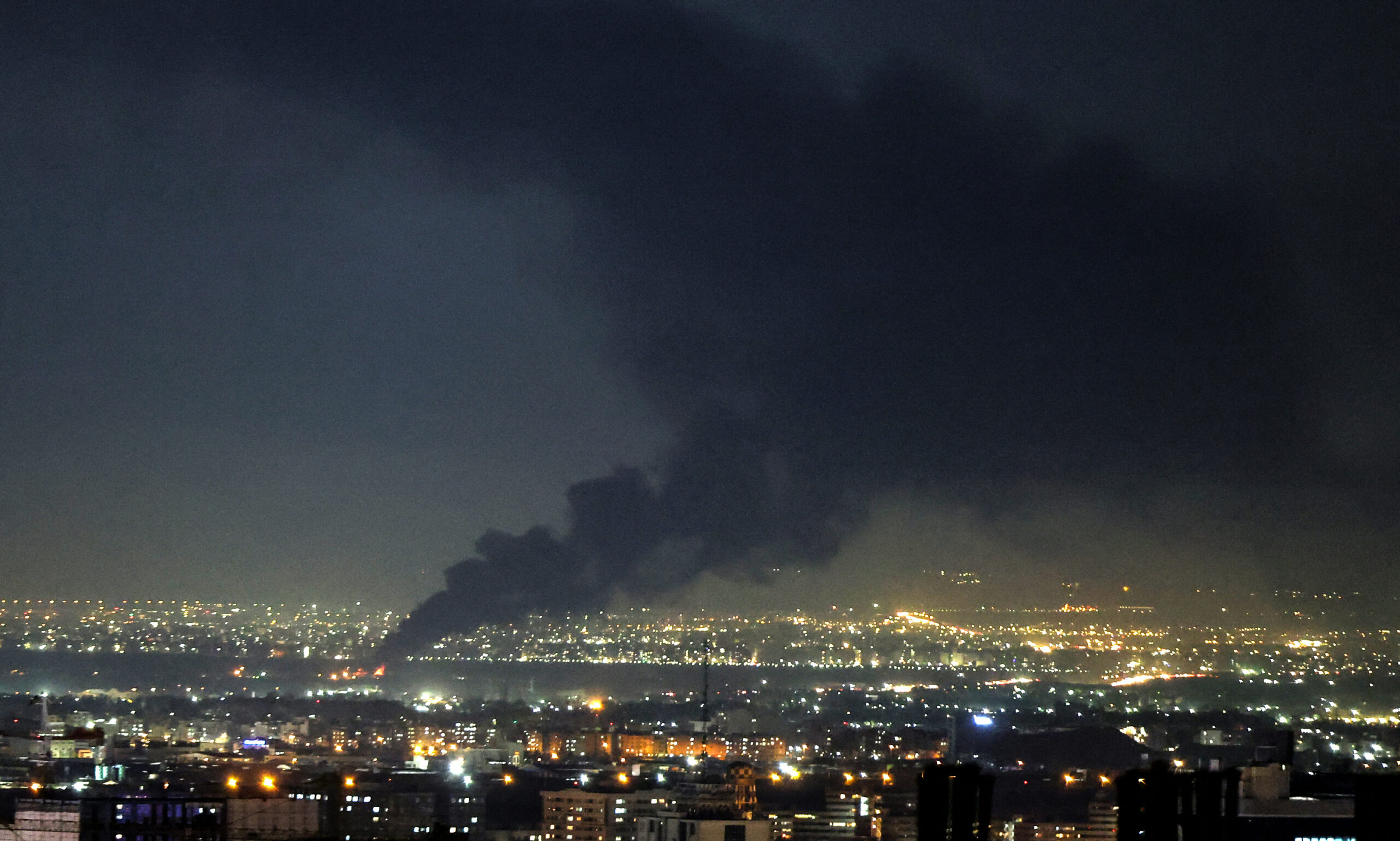
An AFP reporter based in the capital city of Manama stated that multiple powerful blasts were audible, with Iran's Revolutionary Guard claiming they had attacked a U.S. military installation in Bahrain.
The Iranian military also launched "long-range missiles" against U.S. installations in Jordan, according to the Revolutionary Guard announced on Wednesday.
The Jordanian army stated that it shot down five missiles, resulting in no injuries or property loss, whereas Bahrain reported that it neutralized and destroyed "several Iranian air assaults."
Meanwhile, the Kuwaiti armed forces stated that their air defense systems were confronting "hostile airborne objects." Iran has also conducted fatal strikes in the region lately.
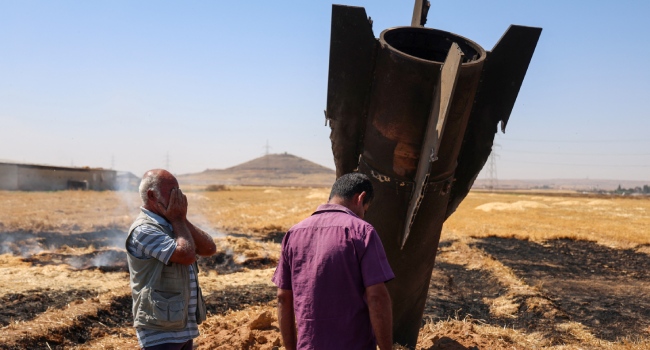
The Iranian Ministry of Foreign Affairs "emphasized the legal and ethical obligation of all regional nations (particularly those situated along the southern coast of the Persian Gulf) to stop the U.S. military and Israel from utilizing their land or resources to plot, coordinate, carry out, or back aggressive activities targeting Iran."
Following events where the U.S. forces declared they had "finished" what Trump characterized as a punitive strike against Iran for shooting down an Apache attack helicopter.
The US Central Command (CENTCOM), responsible for managing U.S. military operations in the Middle East, stated on X that it "targeted Iranian air defense systems, ground control facilities, and monitoring radar locations close to the Strait of Hormuz."
The Iranian foreign minister, Abbas Araghchi, previously warned of retaliation, stating that Iran's armed forces would "not leave any attack or threat unaddressed."
Calls for restraint
The sudden outbreak led to demands for reducing tensions from Iran's allies Russia and China.
we are deeply worried about the latest escalation between the united states and iran," stated a russian foreign ministry representative, calling for "both parties to show self-control.
A representative from China's Foreign Ministry also urged the conflicting sides to "cease increasing the conflict and worsening the situation," and "implement practical steps to reduce and calm hostilities."
Several hours prior, Trump stated that negotiations to conclude the three-month conflict were nearing completion — a statement he has frequently reiterated over the last several weeks.
When asked if it would happen within days or weeks, the U.S. president stated it would take "two or three days."
However, following the helicopter incident on Monday, Trump stated during a phone interview with ABC News that the U.S. was reacting "in a firm way."
The truce had already undergone a major challenge during the weekend as Iran and Israel temporarily restarted hostilities, then subsequently declared a stoppage.
Iran has maintained that any agreement to conclude the warfare should involve a ceasefire in Lebanon, which became involved in the fighting after Iranian-supported Hezbollah fighters inside the country launched missiles against Israel on March 2.
Israel launched a series of air strikes and initiated a land offensive which resulted in over 3,600 fatalities. Fighting between forces and Hezbollah continues even though a formal ceasefire is in place.
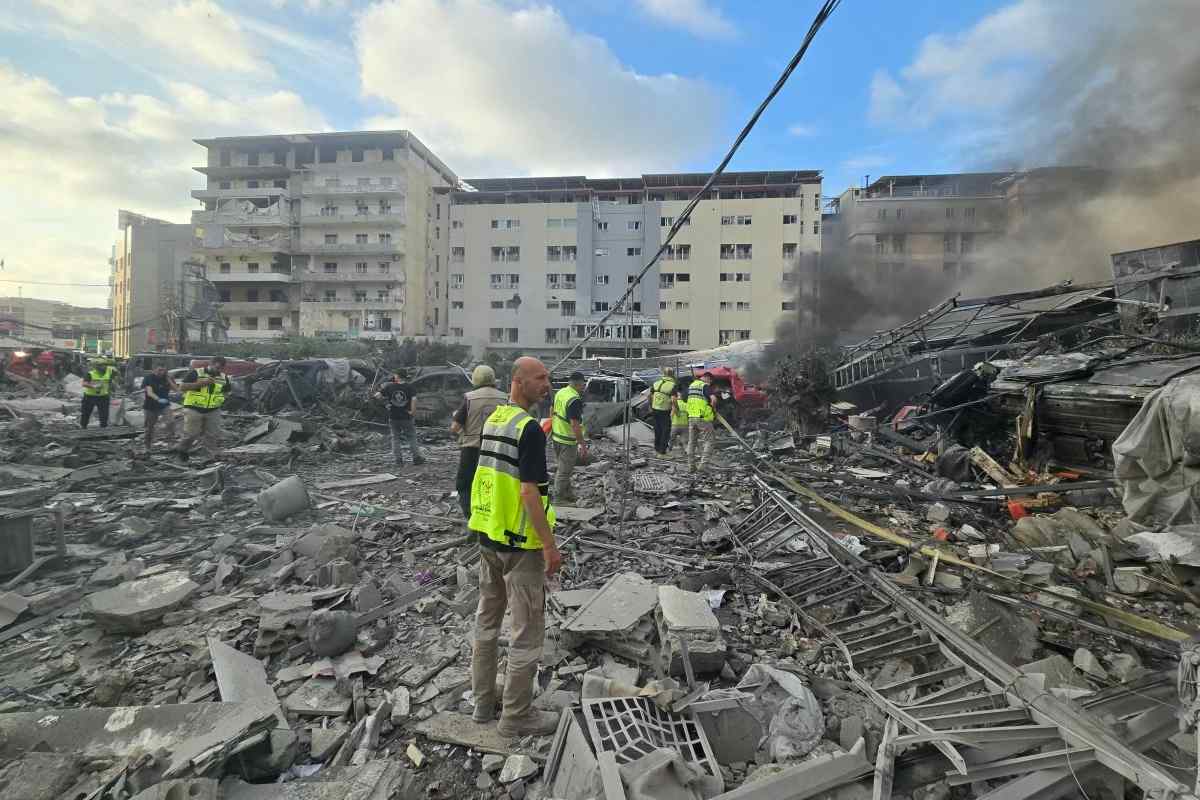
Eleven individuals lost their lives in air strikes targeting the southern city of Tyre on Tuesday, according to Lebanese authorities.
The Israeli defense forces additionally cautioned all residents of the city to leave immediately.
A Reuters reporter observed people from Tyre, including those living in the Christian district, leaving the area and significant vehicle movement going north following an Israeli alert.
A different reporter based in the northern coastal town of Sidon observed refugees coming from Tyre, some carrying items tied to the tops of their vehicles.
‘Constant risk’
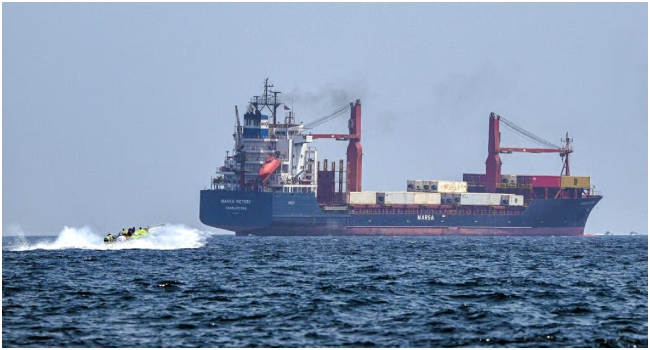
The resumption of hostilities has also cast a shadow over attempts to restore access through the Strait of Hormuz, a vital route for worldwide oil shipments that Iran has blocked since the conflict began.
Oil prices increased by 1% on Wednesday due to worsening chances of reaching an agreement, after dropping up to 5% the prior day when hopes for a settlement were higher.
On Tuesday, Araghchi called on foreign troops to depart from the strait and nearby regions, cautioning that staying put could expose them to danger from incoming fire.
"Foreign troops near our borders face continuous danger... the optimal approach is for them to depart," he stated.
The Apache helicopter is the second manned aircraft verified by Washington to have been brought down by Iran throughout the conflict, after an F-15 jet was lost in April.
CENTCOM reported that the two personnel were saved following the helicopter crash off the shore of Oman.
The post Iran Strikes U.S. Installations in Jordan and Bahrain appeared first on Channels Television .