
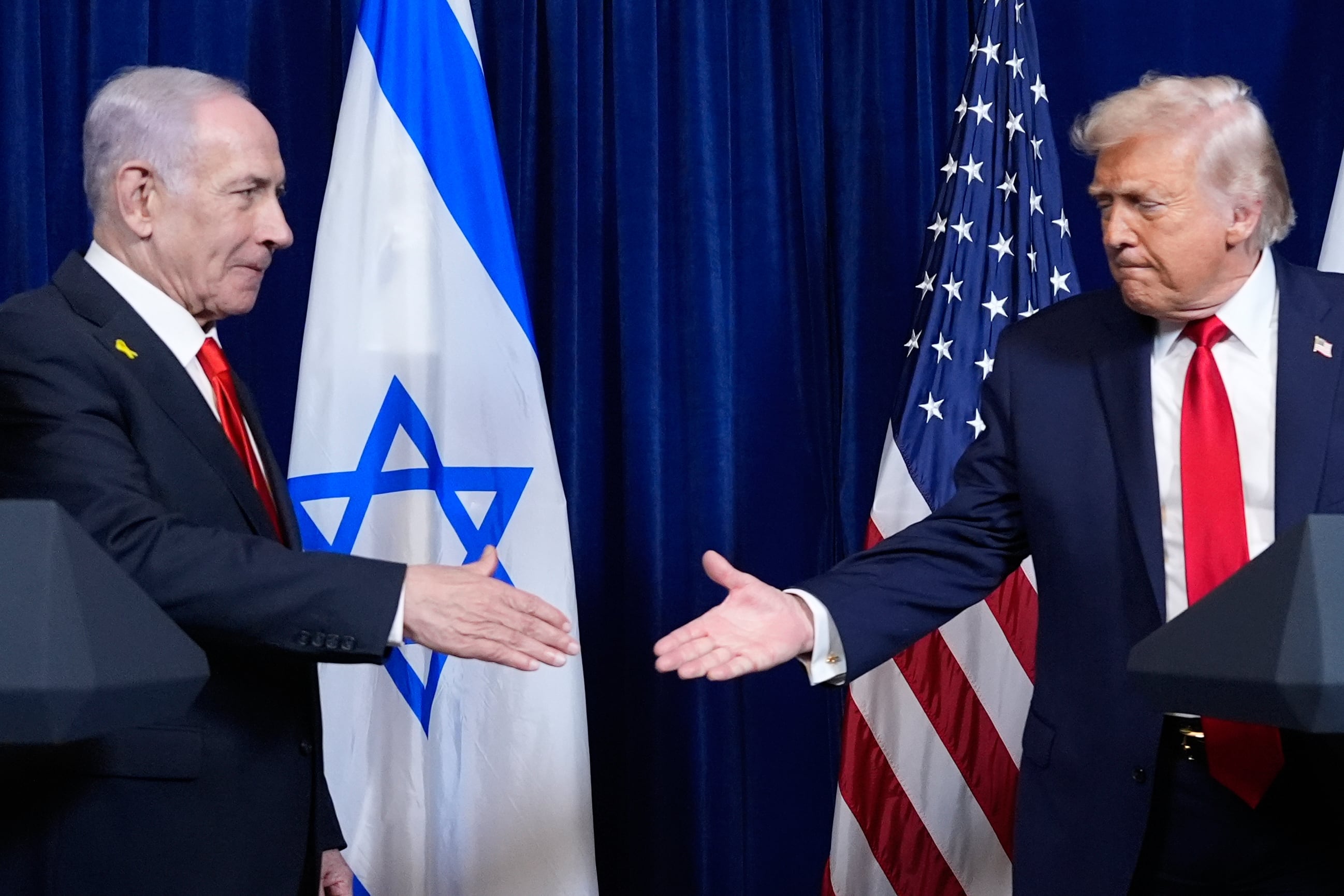
U.S. President Donald Trump and Israeli Prime Minister Benjamin Netanyahu have once again brought focus to their long-standing connection as they face disagreements regarding Iran's efforts toward conflict resolution and diplomacy. Initially partners in influencing Middle Eastern policies, the two figures diverged following the 2020 American presidential elections but came together again this year during the ongoing confrontation with Iran. Nonetheless, differing priorities concerning a withdrawal plan have led to increased friction between them.
As reported by the U.S.-based website Axios and Israel's Channel 12, Trump contacted Netanyahu on the 8th and asked him to stop a major air strike against Iran that Israel had planned. During this period, Israeli aircraft were said to have been waiting on the runway, prepared for departure. According to reports, Trump supposedly warned Netanyahu, "Bibi, you'd better watch out. Otherwise, you'll end up being all alone." This statement was seen as an indication that American political and military backing might decrease if Israel increased hostilities. In the end, the bombing mission was called off.
This event reflects the ongoing cycle of collaboration and tension among the leaders. Although Trump has lately stated, "I make all the decisions," Netanyahu has continued with independent moves even against U.S. concerns. The Guardian characterized their connection as "complicated and contradictory." Certain experts highlight the revival of their former "political friendship" now shifting into opposition.
Their teamwork reached its highest point during Trump's initial presidency. Trump advocated for leaving the Iran nuclear agreement and acknowledging Jerusalem as Israel's capital, while Netanyahu highlighted their partnership through an extensive advertising campaign showcasing them together during election periods.
The disagreement started during the 2020 U.S. election. After Netanyahu praised incoming President Joe Biden, Trump felt betrayed. In subsequent interviews, Trump referred to Netanyahu as "a piece of s***" and alleged he was taken advantage of regarding matters involving Iran.
Nevertheless, the two parties reached an agreement this year. As reported by The New York Times regarding the start of the conflict with Iran, Netanyahu covertly traveled to the United States in February and met with Trump in the White House's subterranean command center to discuss a military strategy targeting Iran. The suggestion was that a coordinated US-Israel attack might severely damage Iran's missile capabilities, nuclear initiatives, and potentially lead to a shift in leadership. Subsequently, Trump gave his approval for "Operation Epic Fury," the air assault plan.
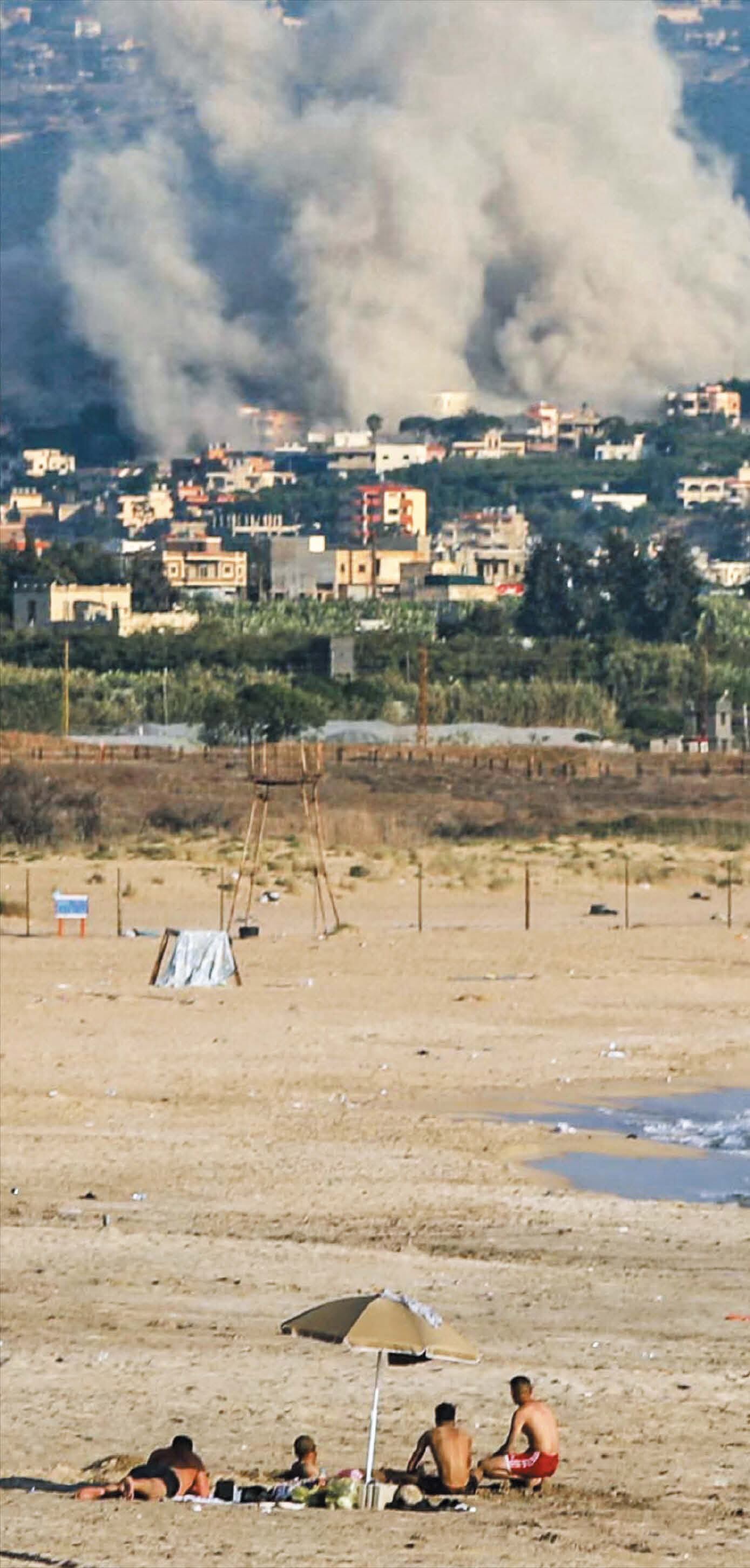
As the conflict continued, their political strategies started to differ. With Iran blocking the Strait of Hormuz, leading to rising oil prices, Trump focused more on initiating peace negotiations. Netanyahu, though, remained committed to applying military pressure. These contrasting positions came up again in recent conversations about the Beirut air strike. According to Axios, on the 1st, Trump said to Netanyahu, "You sound like a madman" and "Without me, you'd be behind bars."
Trump must put an end to the conflict before the November mid-term elections, yet Netanyahu, dealing with challenges related to coalition unity and legal proceedings, is unable to shift from his firm approach on security matters. Experts indicate that although both work together against their shared adversary, Iran, they frequently disagree on the extent and schedule of the war.