
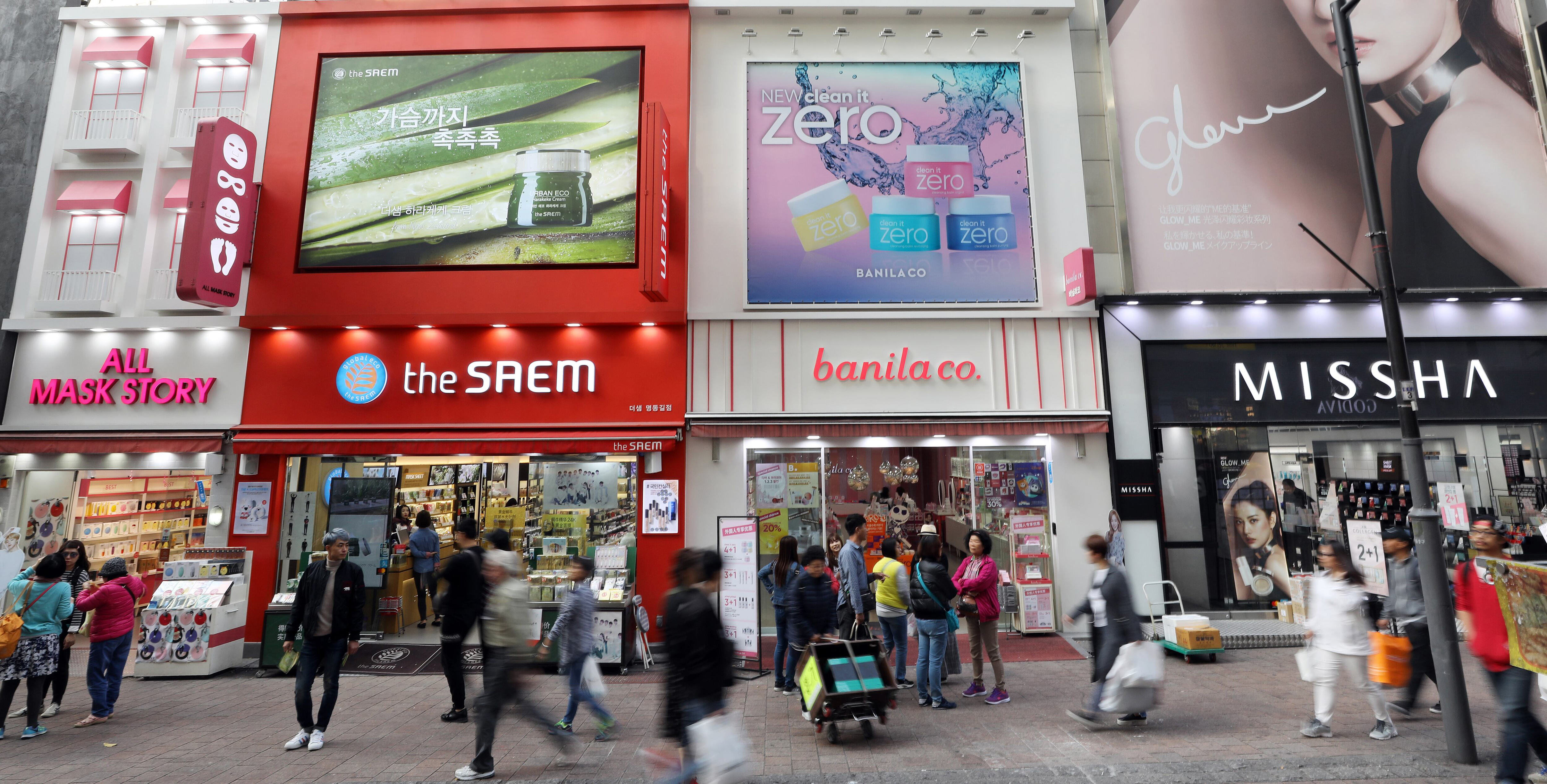
When semiconductors faced difficulties, K-beauty, which had been overlooked for a long time, started to gain momentum. On the 2nd, semiconductor shares such as Samsung Electronics and SK Hynix declined following an unexpected event linked to U.S.-based Meta. In contrast, cosmetic companies like APR and Amorepacific saw opening increases of around 2%. Stocks of Kolmar Korea rose by 10%, while those of Cosmecca Korea climbed 3%. The day before, similar trends were observed, with APR rising 5.84% and Amorepacific increasing by 7.47%. Although they performed well, cosmetic stocks—previously sidelined because of focus on "semiconductor investments"—are now emerging as prime choices for "rotation buying" as major stocks pause their ascent.
◇ 'High-Performing Shares' Outshined by Semiconductor Sector
Indeed, the performance of cosmetic industry stocks remained robust throughout. The problem lay in the fact that investor focus was solely directed towards semiconductor companies. During the first half of this year, the KOSPI was propelled by the "AI boom," spearheaded by Samsung Electronics and SK Hynix, with nearly every other sector remaining unnoticed under its influence. The cosmetics segment was also unaffected; up until the third week of June, 52 out of 65 sector-related stocks experienced declines. Despite an upward trend pushing the KOSPI close to the 9,000 point threshold, LG H&H found itself largely ignored, with its share price fluctuating dangerously near the 200,000 South Korean won mark.
Nevertheless, the core foundation stayed strong. APR, a top K-beauty stock, recorded exceptional results during the first quarter of this year, reporting total sales of 593.4 billion South Korean won and an operational profit of 152.3 billion South Korean won, rising by 123% and 173.7% compared to the previous year, respectively. Sales abroad increased by 179.9%, reaching 528.1 billion South Korean won, which fueled overall expansion. Taking advantage of these outcomes, APR overtook LG H&H's market value only one year and four months after its initial public offering. Companies engaged in ODM (Original Design Manufacturing) and OEM (Original Equipment Manufacturing), such as Kolmar Korea (showing a 32% rise in operating profits) and Cosmecca Korea (with a 78% increase), also provided unexpected achievements that went beyond what analysts had anticipated.
◇ "Cosmetics Likely Leading Choice for Purchase During Semiconductor Downturn"
Financial institutions have historically considered beauty products as the leading choice for rotational investments. This is attributed to the sector's evident progress in performance, where interest would shift when semiconductor stocks paused due to temporary overvaluation. In fact, during the slowdown in the semiconductor industry in April and May of last year, stock prices in the cosmetic sector demonstrated several cases of concurrent growth after APR released favorable financial reports.
The basics of these developments stem from export activities. In the previous year, South Korea overtook the United States to rank as the world's second-largest exporter of beauty products. Park Jong-dae, an analyst with Hana Securities, stated, "With the present rate of progress, there is considerable room for expansion to exceed France, currently leading, within 4-5 years." Additionally, the Ministry of Health and Welfare predicts that cosmetic exports will rise between 9.5% and 12.5 billion dollars this year. A weaker currency along with broader export markets across Europe and other areas further supports positive outcomes.
◇ Warning About Referring to It as a 'Revival'... Persistent Challenges
Nevertheless, some perspectives suggest it's premature to refer to the single-day recovery as a "revival." In contrast to the U.S. market, the difference in profit growth rates between the semiconductor sector and other industries is still significant within the local market, indicating that this disparity needs to decrease for a comprehensive shift to take place. As per an insider from the securities field, "If other sectors do not keep up with the rate of earning enhancements seen at Samsung Electronics and SK Hynix, the current momentum driven by semiconductors may remain dominant for now."
The main focus is on the upcoming second-quarter profit reports scheduled for this month. Should the beauty products industry confirm its robust exports during the first half via these results, this recovery might transition from a temporary shift to an ongoing valuation improvement. The question remains whether the saying "results speak volumes" applies to K-beauty, as investors continue to closely monitor the figures.