
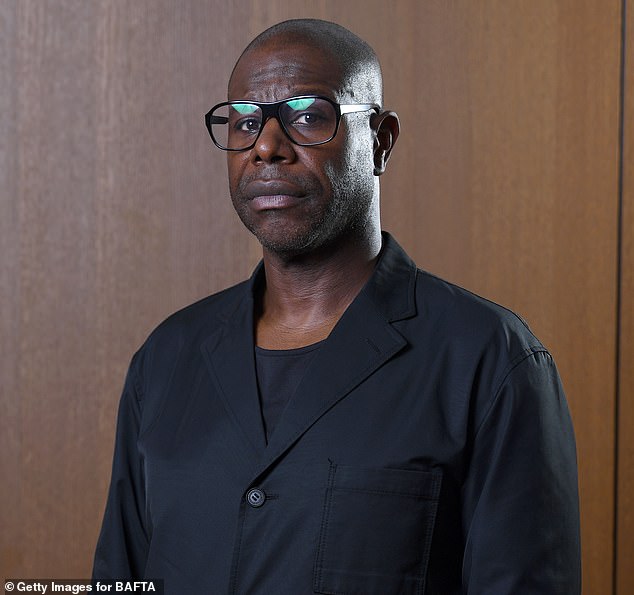
- Sir Steve McQueen: How can the choice of not providing prostate cancer screenings for Black men be decided by a panel with absolutely no representation from the Black community?
A choice was taken by a panel that had no member specializing in prostate issues. cancer source: the daily mail can disclose.
In May, the UK National Screening Committee (UKNSC) turned down requests to expand the program, with specialists stating that the choice constituted "medical neglect."
Activists have recently pointed out the remarkable lack of an active urologist on the panel, claiming it could result in loss of life as committee members remain uninformed about recent developments in diagnosing and managing the condition.
In a strong statement published in Thursday's Daily Mail, Academy Award-winning filmmaker Lord Steve McQueen also raised doubts Why was there no Black member on the committee — even though Black men are more prone to developing prostate cancer and twice as likely to succumb to it.
He proposed that it might have chosen differently if there had been "someone present in the room who comprehended, through their own experiences, how this illness affects Black families."
The panel additionally encountered pressure to "update and adjust" following several high-ranking members who had long cautioned regarding the possible "dangers" and "harm" associated with screenings instead of emphasizing their life-preserving advantages.
Prostate cancer is the leading type of cancer in the United Kingdom, affecting around 63,000 people annually and causing approximately 12,000 fatalities. However, unlike cancers such as those impacting the breasts, colon, and lungs, there isn't a nationwide screening initiative for prostate cancer.
The Daily Mail is part of efforts aimed at preventing unnecessary prostate cancer fatalities and advocating for a nationwide testing initiative, starting with men at higher risk, including Black individuals, those with a family history of the condition, or particular genetic changes.
However, as few as 1,500 men may be called for screenings following statements from health authorities indicating that only males between the ages of 45 and 61 with a specific genetic mutation along with a family background of breast, ovarian, pancreatic, or prostate cancer will meet the criteria.
The panel decided that the PSA blood test, which is utilized to detect a sign of possible prostate cancer risk, lacks sufficient accuracy for widespread application.
Addressing these false alarms—cases where prostate cancer grows so gradually that it won’t lead to issues or premature death—can expose men to avoidable risks such as erectile dysfunction and urinary incontinence, according to the statement.
The UKNSC site states that committee members "typically consist of... active medical professionals with knowledge in one or more applicable fields."
However, although its ruling was highly significant for millions of men, it did not include urologists—specialists responsible for diagnosing and treating prostate cancer.
Activists compared this situation to the EU, which is moving forward with broader prostate cancer testing following support from the expert organization, the European Association of Urology.
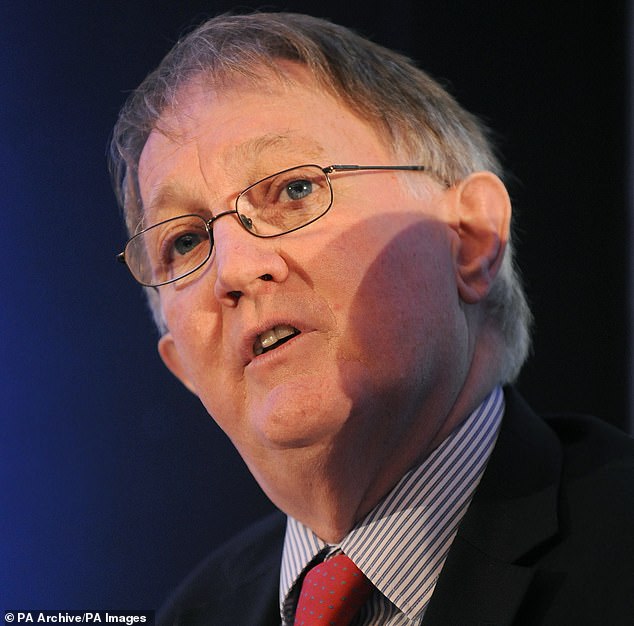
Chris Booth, a former consulting urologist and creator of the men's health organization Chaps, stated that the absence of practical experience caused the committee's stance to be based on "outdated and seriously defective" studies, resulting in an "absurd" choice against increasing screenings, which will "cost lives."
David James from Prostate Cancer Research criticized the panel for being "stagnant and focused on past issues."
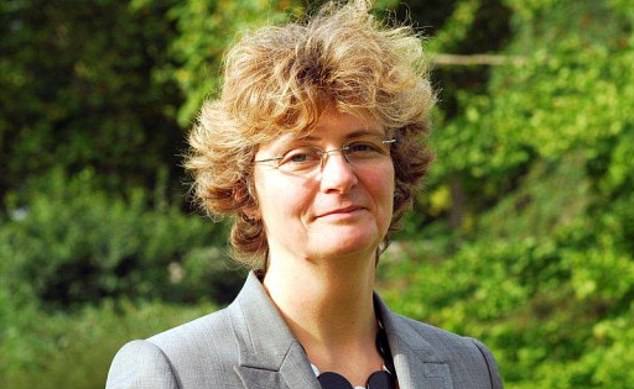
"The UKNSC needs to update and revamp its methods, as not doing so could lead to failure in protecting those it was established to safeguard," he stated.
Martin Davies, head of the Prostate Project charity, further stated that the committee's worries regarding damage from excessive diagnosis and treatment seemed to stem from "outdated data." He noted that the era where a positive PSA result immediately resulted in strong treatments had "become obsolete," according to him.
Professor Frank Chinegwundoh, a specialist in urology at Barts Health, stated that the panel's serious error in grouping Black men and individuals with a familial predisposition to the condition together with the low-risk group constituted "medical malpractice."
UKNSC's suggestion regarding prostate cancer testing was fully endorsed by Health Secretary James Murray.
The Department of Health and Social Care stated that the committee reached its conclusion based on the latest NHS guidelines for diagnosing prostate cancer, which involve an MRI prior to a biopsy.
A representative stated, "The government remains dedicated to enhancing results for every man diagnosed with prostate cancer. The UKNSC will continue to closely monitor its suggestions as fresh data becomes available."
Read more